
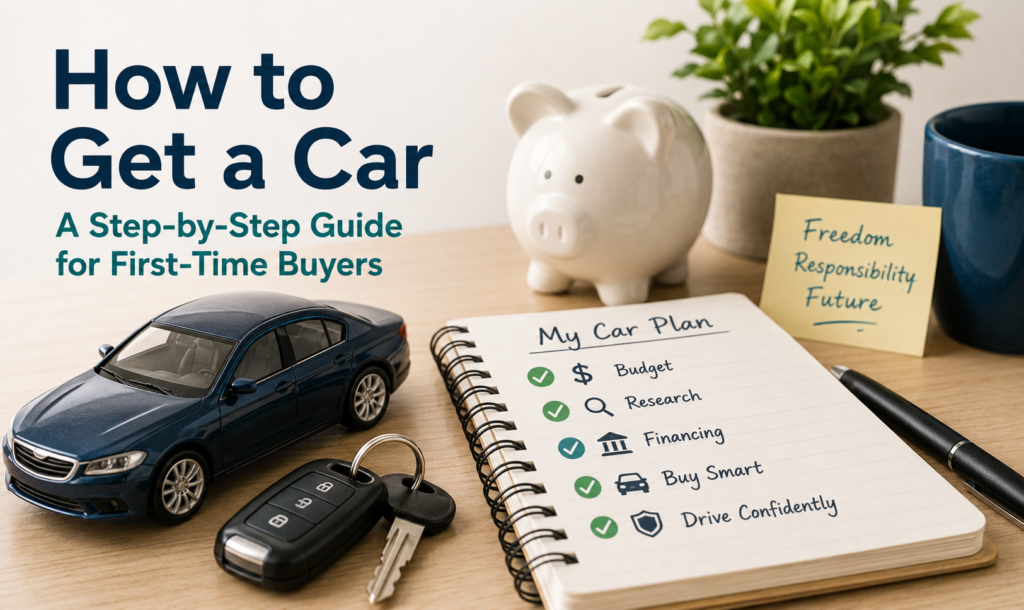
Acquiring the first car represents a significant milestone in the transition to adulthood. For many individuals aged 18 to 20, it serves as a symbol of freedom and independence. However, navigating the car-buying process can be daunting without proper preparation. This guide provides a comprehensive overview of the essential steps involved in purchasing your first car. By following these guidelines, prospective buyers can approach this important decision with clarity and confidence. Understanding the necessary steps will facilitate a smoother experience and help ensure that the choice aligns with personal needs and budgetary considerations.
Determine Your Budget
Before you start browsing car listings, it’s crucial to establish a realistic budget. Consider these factors:
- Purchase price: Determine how much you can afford to spend on the car itself. This could be savings, contributions from family, or a combination of both.
- Monthly expenses: Factor in ongoing costs such as insurance, fuel, maintenance, and potential loan payments. Use a free car affordability calculator online to estimate how much car you can realistically afford based on your monthly income and expenses. These can add up quickly, so be sure to account for them in your budget.
- Emergency fund: Set aside some money for unexpected repairs or expenses. Cars can be unpredictable, and it’s wise to be prepared for surprises. Aim to keep at least $500–$1,000 in your emergency fund to cover unexpected repairs like new tires, a dead battery, or brake work.
Decide Between New and Used
Once you have a budget in mind, you’ll need to choose between a new or used car. Each option has its pros and cons:
- New cars: These often come with warranties, the latest safety features, and better fuel efficiency. However, they’re more expensive and depreciate in value quickly.
- Used cars: They’re more affordable and have already undergone most of their depreciation. However, they may have higher maintenance costs and fewer advanced features.
- Certified pre-owned: This option offers a middle ground, providing some of the benefits of both new and used cars. These cars are typically inspected and refurbished by the dealership and may come with extended warranties, making them a safer bet than regular used cars.
Research and Choose Your Car
Now it’s time to find the right car for you. Consider these steps:
- Identify your needs: Think about what you’ll use the car for most often. Do you need good gas mileage for a long commute, or extra space for road trips with friends?
- Research reliable brands: Investigate car brands known for their reliability and longevity. This can save you money and headaches in the long run.
- Read reviews: Check out expert reviews and user experiences for the models you’re interested in. This can give you valuable insights into real-world performance and potential issues. Also, check insurance rates for specific models. Some cars cost more to insure due to safety ratings or repair costs.
Explore Financing Options
Unless you’re paying cash, you’ll need to finance your car purchase. Here are some options to consider:
- Bank loans: These often offer competitive interest rates, especially if you have a good credit score or a co-signer. If you don’t have credit yet, consider asking a trusted adult to co-sign. This can improve your approval odds and lower your interest rate—but remember, they’re responsible if you don’t make payments.
- Dealership financing: This can be convenient but may come with higher interest rates. Be sure to compare offers from multiple sources.
- Credit unions: If you’re a member, credit unions often offer favorable loan terms for their members. If you’re a student, check whether your college’s credit union offers car loans for young drivers—sometimes they have special programs.
Navigate the Buying Process
Once you’ve found your car and secured financing, it’s time to make the purchase:
- Negotiate: Don’t be afraid to negotiate the price, especially for used cars. Research fair market values to ensure you’re getting a good deal. Use websites like Kelley Blue Book (kbb.com) or Edmunds (edmunds.com) to find the current value of a car based on its make, model, year, mileage, and condition.
- Read the fine print: Before signing any documents, read through them carefully and ask questions about anything you don’t understand. Watch out for hidden fees like documentation charges, dealership add-ons, title fees, or unnecessary extended warranties.
- Consider additional costs: Factor in sales tax, registration fees, and any add-ons or extended warranties you might want.
Conclusion
Getting your first car is a significant step towards independence, but it’s important to approach it with careful planning and research. By determining your budget, deciding between new and used, researching your options, exploring financing, and navigating the buying process wisely, you’ll be well-equipped to make a smart decision. Remember, a car is both a necessity and a responsibility. Choose one that fits your lifestyle and budget and enjoy the freedom that comes with your new set of wheels. Don’t rush. Walk away if the deal feels off or if you need more time to think—being patient can save you thousands. Safe driving!