
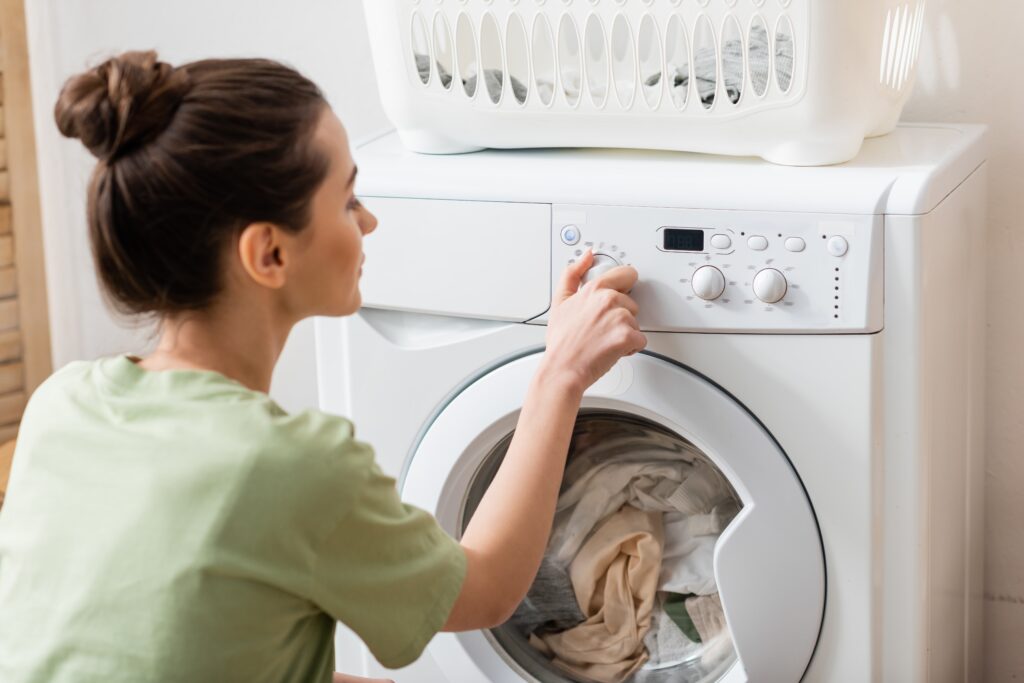
Adulthood involves taking on the responsibility of laundry and ensuring clothes are clean and well-maintained. Whether you’re navigating dorm life, your first apartment, or working full-time, laundry is one of those grown-up chores that nobody loves—but everyone has to figure out. This guide offers a thorough overview of best practices for maintaining clean, fresh, and well-cared-for clothing. Key topics include sorting, washing, drying, and proper storage methods. Understanding fabric care labels and selecting appropriate detergents are also critical components. By following the outlined strategies, you can ensure your wardrobe remains in excellent condition, reflecting both personal style and professionalism.
Sorting Your Laundry
Proper sorting is the foundation of successful laundry. Here’s how to do it right:
- Separate by color: Divide your clothes into whites, darks, and colors. This prevents color bleeding and keeps your whites bright. If you’re in a rush, mesh laundry bags can help separate delicates from heavier items—even in a shared laundry room. Remember, even light pastels should go with colors, not whites, to avoid potential dye transfer.
- Consider fabric type: Beyond color, sort by fabric weight and texture. Heavier items like jeans can damage delicate fabrics if washed together. Separate lint-producers (like towels) from lint-attractors (like synthetic fabrics such as nylon) to keep everything looking fresh.
- Check care labels: Always read the labels for specific care instructions. Look at tags for symbols indicating “hand wash only,” “dry clean,” or special temperature requirements. If you’re not sure what the symbols mean, a quick Google search can decode them instantly. Following these instructions can significantly extend the life of your clothes.
- Empty pockets and close fasteners: Remove items from pockets to protect both your clothes and the washing machine. Zip up zippers, button buttons, and fasten hooks to prevent snagging and tangling during the wash cycle.
Understanding Fabric Types
Different fabrics require different care. Here’s a quick guide to common fabric types:
- Cotton: Durable and easy to care for, cotton can usually be machine washed in warm water. It’s prone to shrinking, so avoid hot water unless you’re trying to shrink the item intentionally. Cotton is also susceptible to wrinkling, so remove it promptly from the dryer.
- Synthetics: Fabrics like polyester, nylon, and acrylic are generally easy to care for. Wash in warm or cool water and dry on low heat. These fabrics are less likely to shrink but can be prone to static cling.
- Wool and silk: These delicate fabrics often require hand washing or dry cleaning. If machine washing is allowed, use the delicate cycle with cold water and lay flat to dry. Some gentle laundry detergents now have formulas specifically for wool and silk—worth grabbing if you wear these often. Never put wool in the dryer unless you want it to shrink down to fit a child!
- Denim: Wash jeans inside out in cold water to preserve the color. Avoid washing them too frequently as this can break down the fabric faster. If possible, hang to air dry to maintain the fit and prevent shrinkage. Also, don’t wash your jeans too often—every 3–8 wears is usually enough unless they’re visibly dirty.
Mastering the Washing Machine
Now that you’ve sorted your laundry, it’s time to wash. Here’s how to use your washing machine effectively:
- Don’t overload: Fill the machine about 2/3 full. Overloading prevents clothes from getting clean and can damage both your clothes and the washer. Your clothes should be able to move freely in the water for the best cleaning results. Overstuffing may save time in the moment but usually means having to rewash things later.
- Choose the right detergent: Use a detergent appropriate for your machine type (high-efficiency or standard) and the types of stains you’re dealing with. Measure carefully – too much detergent can leave residue on clothes, while too little won’t clean effectively. For sensitive skin, fragrance-free, infant, or “free and clear” options are ideal—and often cheaper in bulk. Pods are convenient time-savers, but liquid detergent is often more affordable.
- Fabric softener: Fabric softener can make your clothes feel softer to the touch, smell nice, and resist wrinkling and static. Avoid using it on fabrics meant to absorb moisture (such as towels and sweat-wicking athletic clothes) as it makes them less effective in doing so.
- Select water temperature: Generally, use cold water for dark or bright colors and delicate, warm water for moderately soiled items, and hot water for whites, very dirty clothes, and killing dust mites in bedding. Always check the care label if you’re unsure.
- Pick the right cycle: Choose based on fabric type and how dirty the clothes are. Delicates need gentle cycles, while heavily soiled items need longer, more intense cycles. Many newer machines have specialized cycles for different fabric types – don’t be afraid to use them!
Hand Washing Delicates
Some items are too delicate for the washing machine. Here’s how to hand wash effectively:
- Fill a sink or basin: Use lukewarm water unless the care label specifies otherwise. Add a small amount of gentle detergent and mix until suds form. You can also use a clean plastic tub or even a mixing bowl if you’re in a tight space like a dorm.
- Submerge and gently agitate: Place the garment in the water and gently squeeze the suds through the fabric. Avoid wringing or twisting, which can damage delicate fibers.
- Rinse thoroughly: Drain the soapy water and refill with clean, cool water. Gently squeeze the garment to remove soap. Repeat until all soap is gone.
- Dry carefully: Never wring out delicate items. Instead, gently squeeze out excess water and lay flat on a clean towel. Roll up the towel to absorb water, then unroll and reshape the garment before laying flat to dry completely.
Dealing with Stains
Stains happen, but they don’t have to be permanent. Here’s how to tackle common stains:
- Act quickly: The sooner you treat a stain, the better chances you have of removing it. Keep a stain remover pen or mini spray bottle in your bag—it’s a lifesaver for accidents on the go. Blot (don’t rub) the stain to remove excess liquid or solids.
- Know your stains: Different stains require different treatments. For protein-based stains (like blood or sweat), use cold water. For oil-based stains (like grease or makeup), use warm water and dish soap.
- Use stain removers wisely: Apply stain remover to the back of the stain and work it in gently. Let it sit for the time recommended on the product before washing. Always read the label and test on an inconspicuous area first to ensure it won’t damage the fabric.
- Be patient: Some stains may require multiple treatments. Don’t dry the garment until the stain is gone, as the heat can set the stain permanently. If you’re short on time, soaking the item in cold water overnight can help loosen tough stains.
Drying Your Clothes
Proper drying is just as important as washing. Here’s what you need to know:
- Check labels again: Some items may need to air dry or use low heat to prevent shrinking or damage. Pay special attention to delicates and items that are prone to shrinking. Drying racks or clotheslines are affordable and save energy, and can be especially useful for small spaces or dorm rooms.
- Clean the lint trap: Do this before each load to improve drying efficiency and prevent household fires and dryer burn on your clothing. A clean lint trap also helps your clothes dry faster, saving energy and money.
- Use dryer balls or sheets: These can help reduce static cling and soften clothes. Dryer balls can also help larger items like comforters dry more evenly. Wool dryer balls are reusable and eco-friendly, while dryer sheets add scent (but can leave a residue—use sparingly if you have sensitive skin).
- Remove promptly: Take clothes out soon after the cycle ends to minimize wrinkles and static cling. Hang or fold items immediately for the best results.
Special Considerations
Here are a few extra tips to level up your laundry game:
- Bleaching: Use bleach sparingly and only on white cotton fabrics. Never use chlorine bleach on wool, silk, or synthetic fibers. For colored fabrics, use color-safe bleach according to package instructions.
- Ironing and steaming: Check the care label for the appropriate iron temperature. Start with a lower heat setting and work your way up if needed. For delicate fabrics, use a pressing cloth between the iron and the garment. A handheld steamer can be faster and safer than ironing—especially for casual clothes or when you’re running late.
- Storing clean laundry: Ensure clothes are completely dry before storing to prevent mildew. Use cedar blocks or lavender sachets in drawers and closets to keep clothes smelling fresh and deter moths. Use under-bed bins, hanging organizers, or over-the-door racks if you’re short on closet space.
Conclusion
Congratulations! You’re now armed with the knowledge to tackle even the most daunting laundry situations. Remember, practice makes perfect, and soon these steps will become second nature. With these skills, you’ll keep your clothes looking great, lasting longer, and smelling fresh. Say goodbye to the days of wearing your last clean shirt inside out – you’re a laundry pro now! Plus, nothing beats the confidence of putting on fresh, wrinkle-free clothes that smell amazing. You’ve got this.